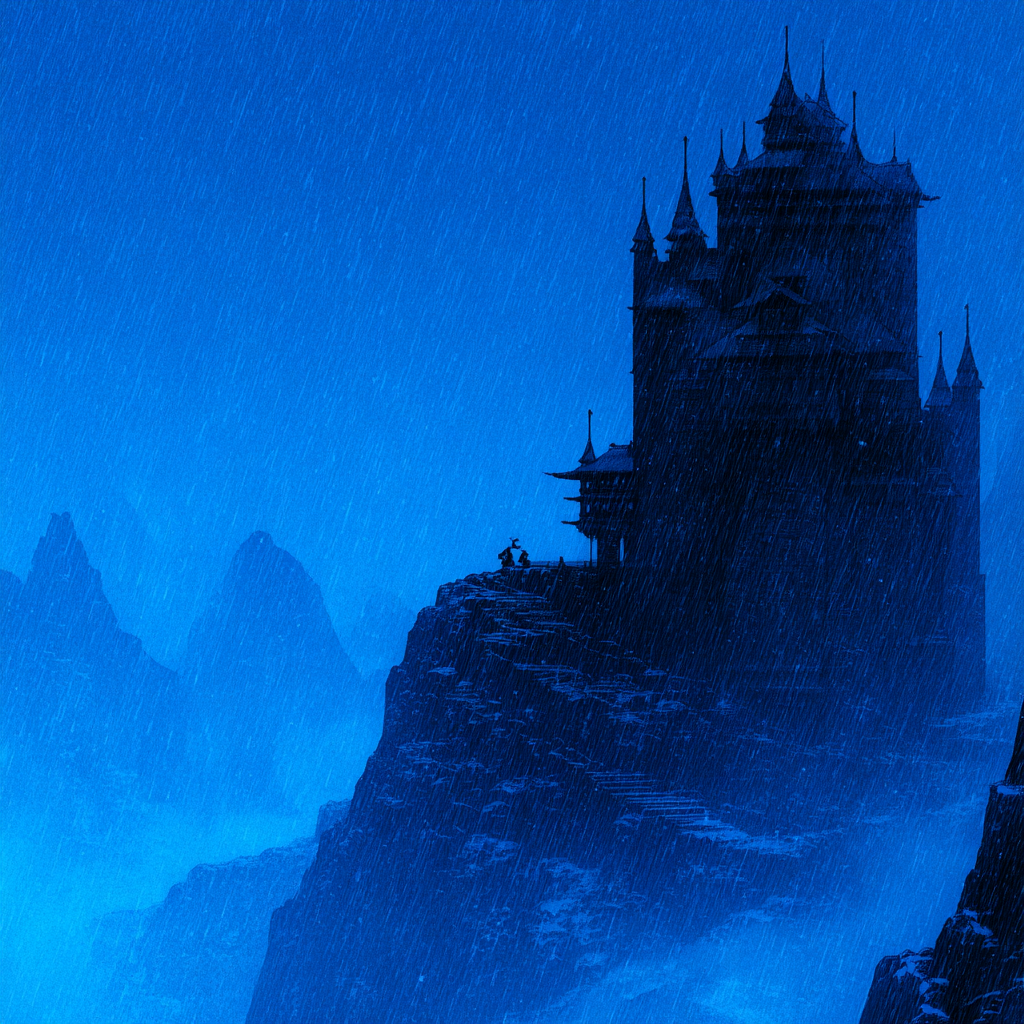
Midjourney in 2026: Complete Guide to AI Image Generation
Latest features, practical business applications, and a comparison with the competition. Everything you need to know about Midjourney in 2026.
Practical AI image generation course: prompt optimisation, advanced parameters and repeatable workflow.
Start creating →Start from the basics. Practical guides and case studies on the blog.
See real results. Series and styles on Instagram.
60-minute online session. Write: hello@midjourneyart.pl
Midjourney V8 is a complete engine rewrite featuring native 2K resolution, dramatically improved text rendering, and a brand-new architecture. Find out what's new and when it launches.
Read more →Midjourney isn't an image generator — it's an artistic engine. Learn how it differs from other AI tools, why experts type one word instead of essays, and how Style Creator, moodboards, and personalisation change the way professionals work with AI.
Read more →I regularly receive comments about "AI slop" from people fighting for the supposed authenticity of the internet. They forget the internet was stuffed with lies long before the AI era. Staged accidents, posed moments, fake news and fake influencers. Today a new tool has become a symbol of the collapse of truth, though the problem never lay in technology — only in unreflective content consumption.
Read more →
Latest features, practical business applications, and a comparison with the competition. Everything you need to know about Midjourney in 2026.
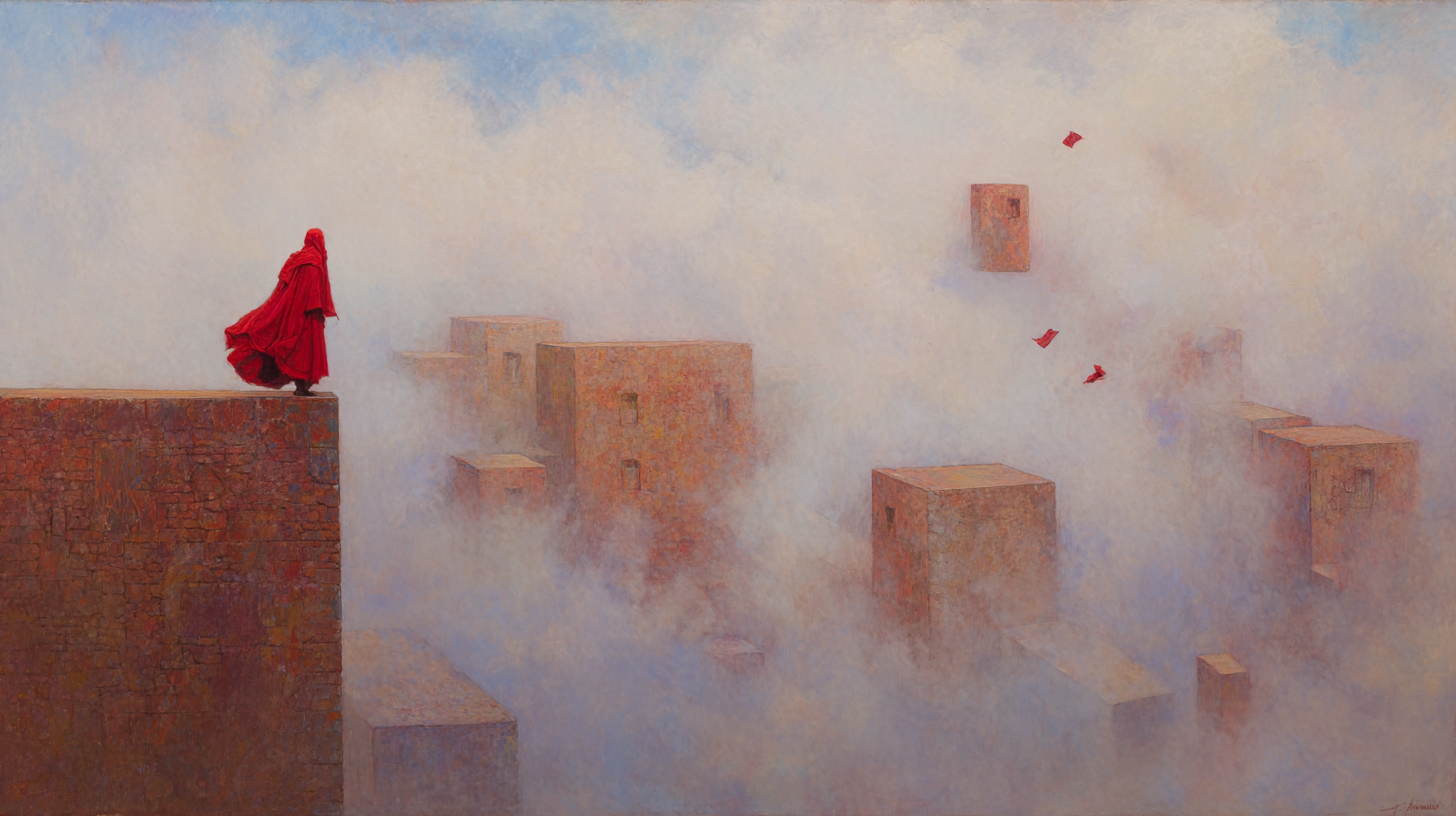
Bartz v. Anthropic, Kadrey v. Meta, Thomson Reuters — landmark June 2025 rulings and a practical guide for AI art creators.
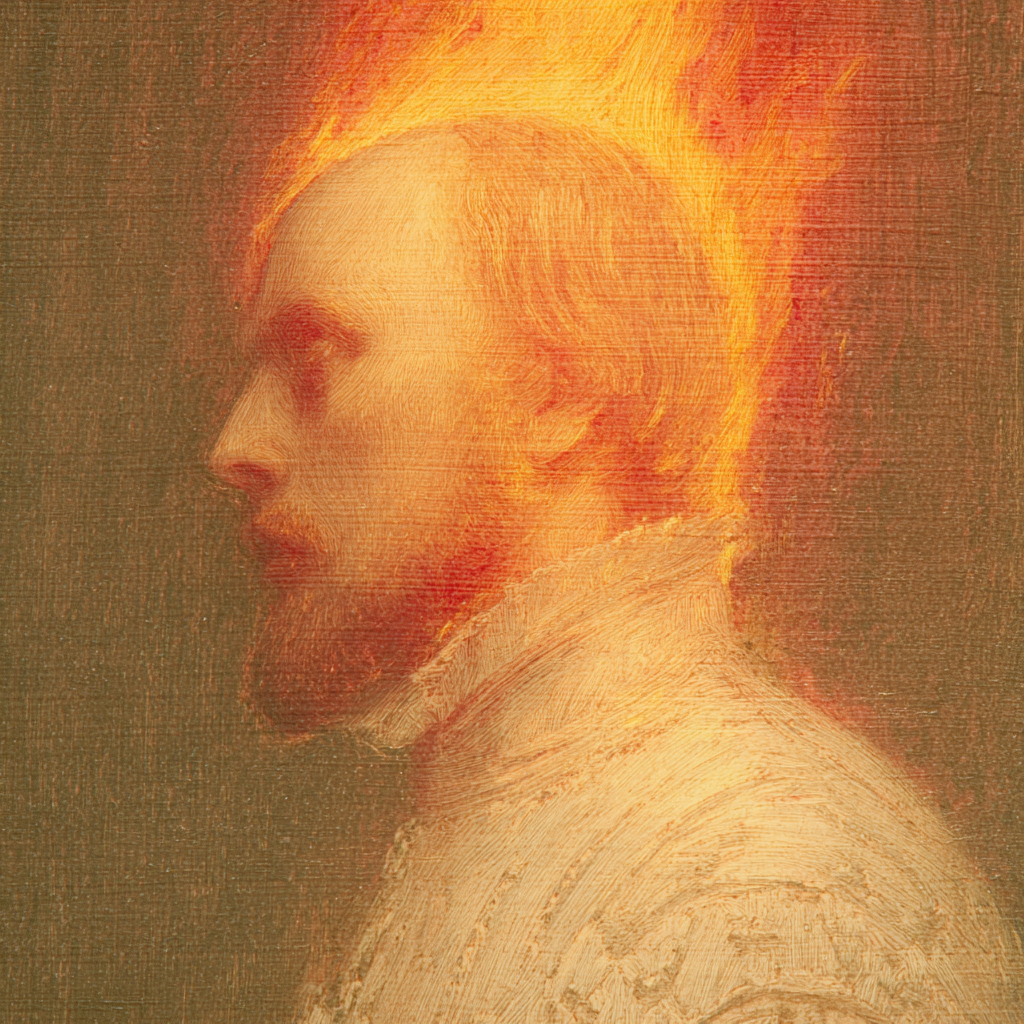
Without knowledge of painting, light and composition, you get a lottery. With art history knowledge — you control every frame.
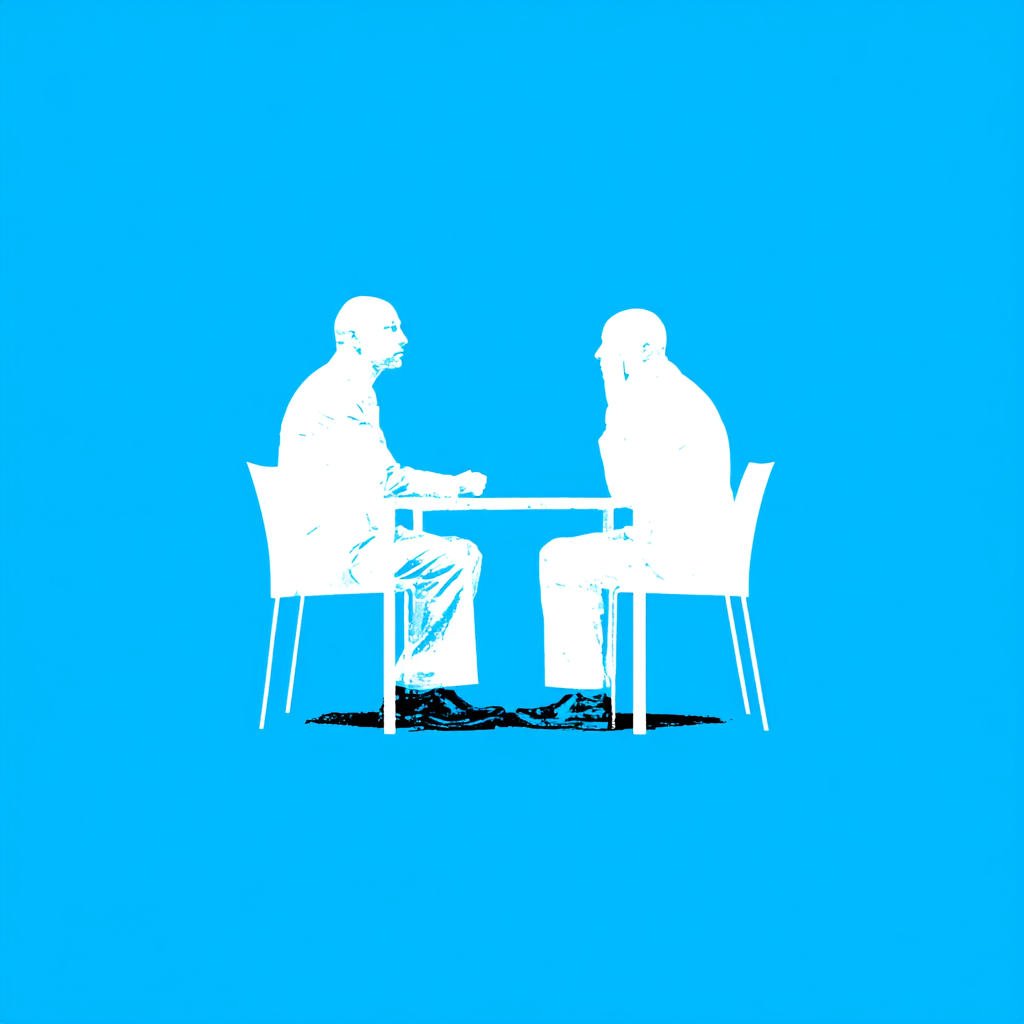
In one hour we set presets, shorten prompts, and build a series ready for publication.
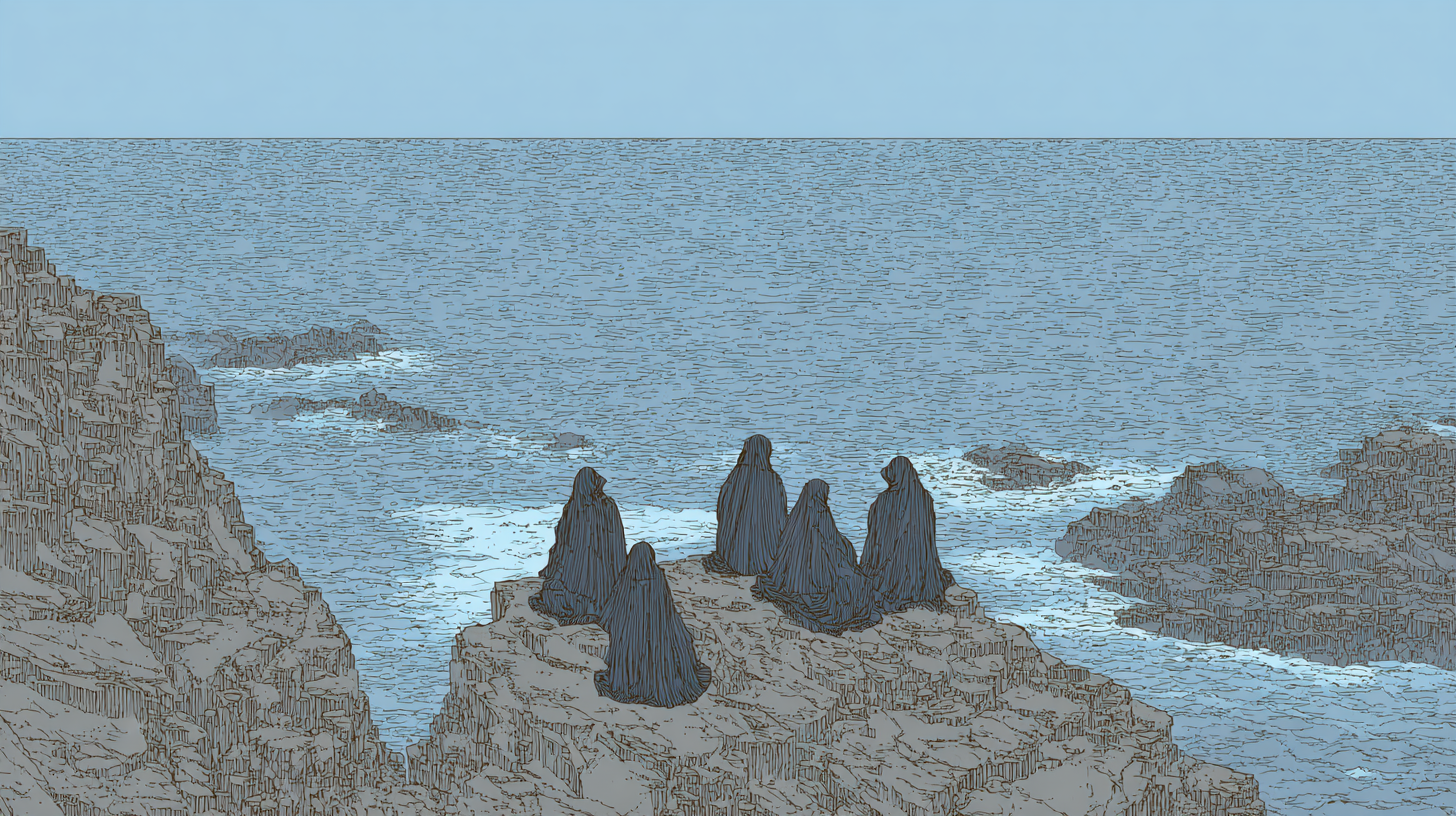
Image first, parameters second. Short prompts = cleaner process, faster iterations.
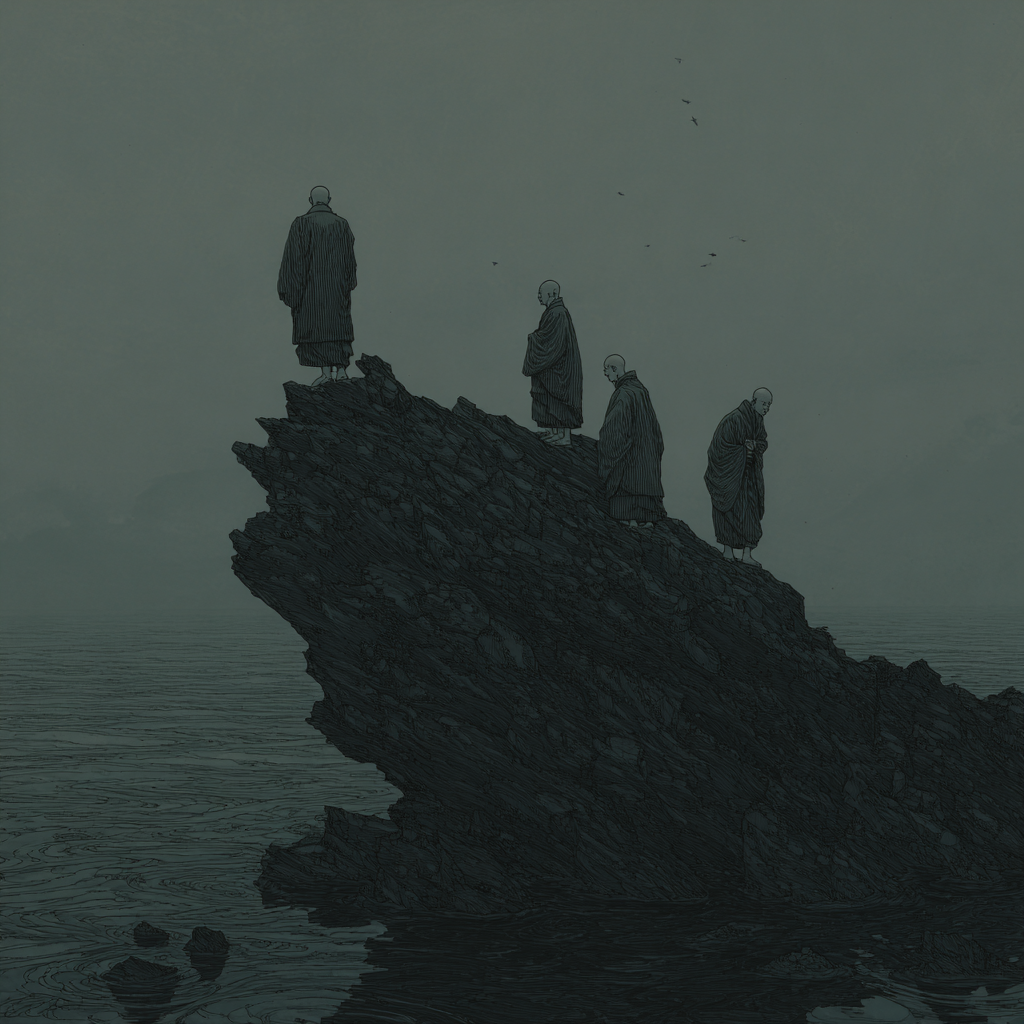
A starter kit: portrait, product, architecture, editorial, patterns. Modify parameters and build your own presets.
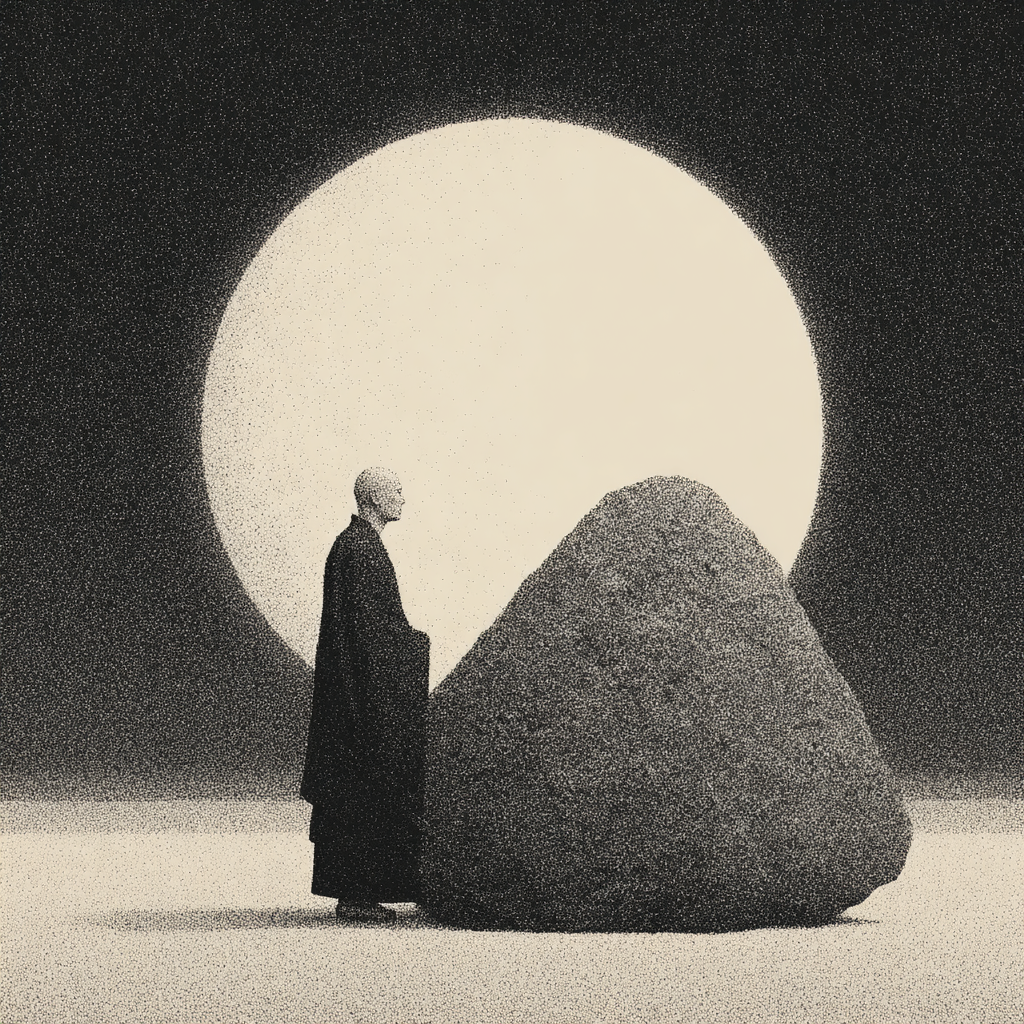
Styles that work right now. How do I translate them into my own workflow?