Synthography is the creation of images through synthesis in an artificial intelligence model, rather than by capturing light with a camera. The creator, called a synthographer, describes a vision with text (a prompt), sets parameters and reference material, and the model generates the finished frame. It is a distinct medium, related to photography and photo manipulation, but based on a different source of the image.
In short
- Definition: an image created by AI from a description, parameters and references.
- Etymology: synthesis plus the Greek -graphy (recording), that is writing an image through synthesis.
- Difference from photography: photography records reality, synthography synthesizes it.
- Breakthrough: 2022, the public release of DALL-E 2, Midjourney and Stable Diffusion.
- Tools in 2026: Midjourney (V7), DALL-E, Stable Diffusion, Flux.
What is synthography? (definition)
Synthography is the field and technique of creating images in which the finished frame arises from synthesis in a generative model. The name joins the word synthesis with the Greek -graphy, meaning recording. Unlike photography, which captures the light of a real scene, synthography composes an image from a learned distribution of data, guided by a description and parameters.
The term is new and has no single author. It spread after 2022, and in Poland it is popularized, among others, by the Syntografia.pl project.
Synthography, photography and photo manipulation: the differences
In short, what sets them apart is the source of the image.
| Criterion | Photography | Photo manipulation | Synthography |
|---|---|---|---|
| Source | Capturing light | Editing existing photos | Synthesis in an AI model |
| Starting point | A real scene | A ready file | A prompt and references |
| Tool | Camera | Layer editor | Generative model |
| Is a camera needed | Yes | Usually yes | No |
Where did synthography come from? A timeline
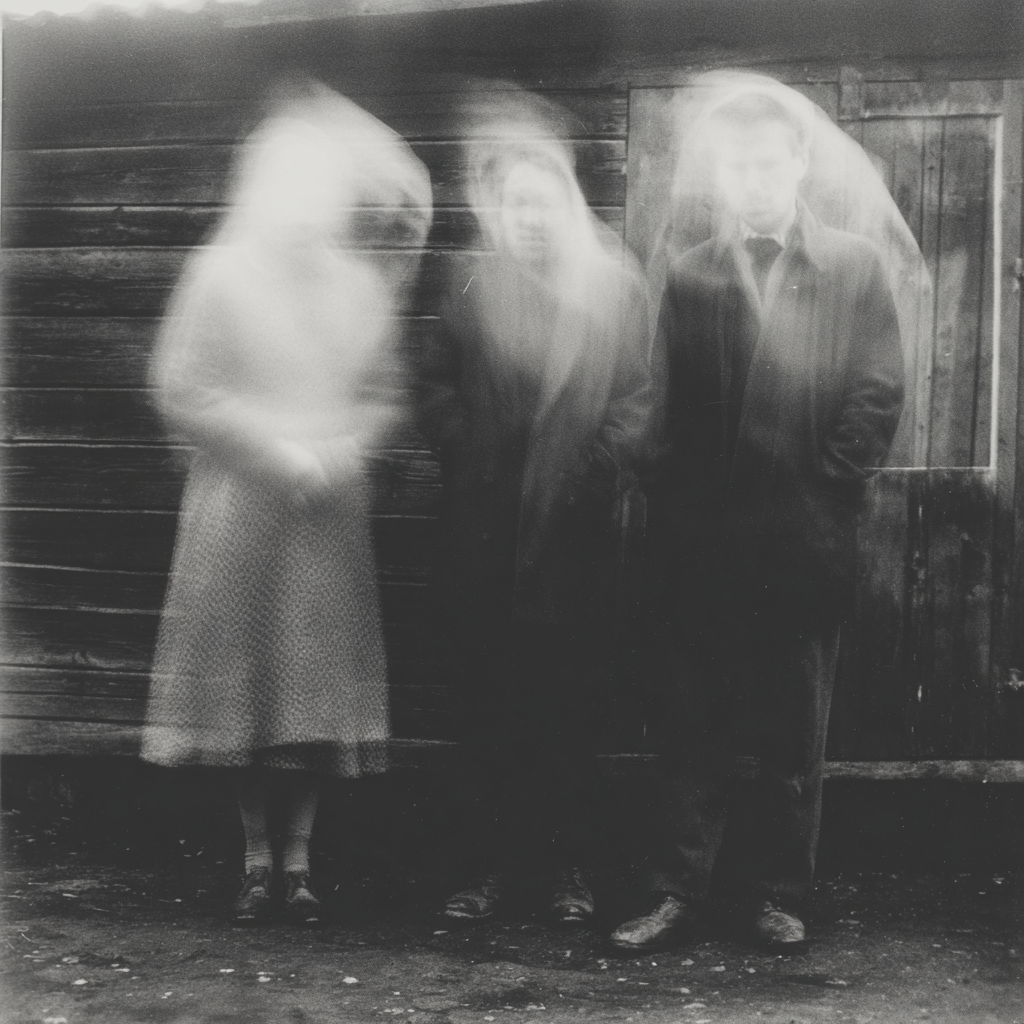
Image manipulation is older than AI. Synthography is its latest stage.
Synthography is the newest link in the history of bending the image. The key dates:
- 1857-1858: combination printing, Oscar Rejlander and Henry Peach Robinson merge many negatives into one frame.
- 1860s: William Mumler spirit photography, images of apparitions from double exposure.
- 1910-1930: photomontage of the dadaists and surrealists (Hannah Höch, John Heartfield).
- 1990: the release of Adobe Photoshop, manipulation reaches the desktop.
- 2014: GANs (Ian Goodfellow), the first realistic generated images.
- 2022: DALL-E 2, Midjourney and Stable Diffusion, the start of synthography as a mass medium.
- 2023-2026: the craft matures, style and character references, composition control, video.
What synthography can do in 2026 (a list)
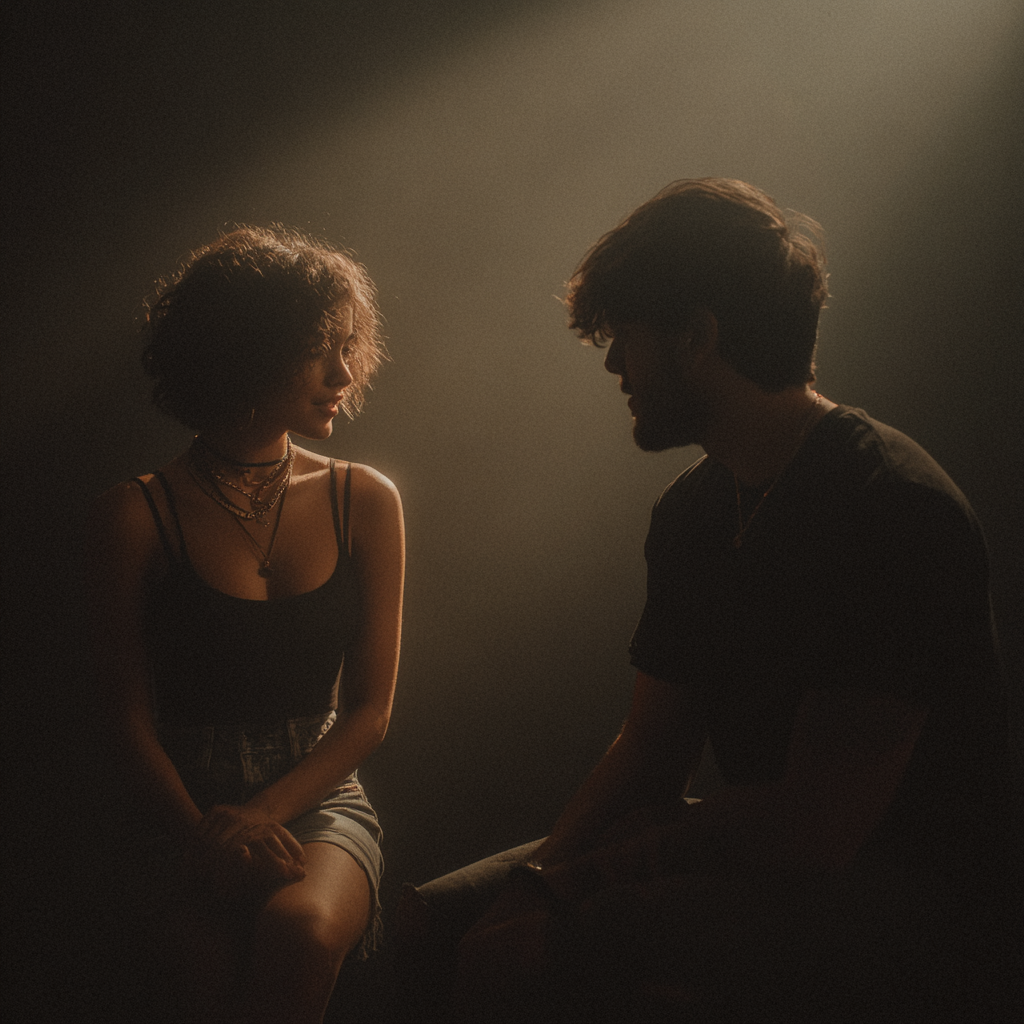
Mood and light, once the domain of the film set, are now sometimes synthesized.
- Photorealism down to the detail (skin, light, reflections).
- Inpainting and outpainting, painting in and extending the frame.
- Style reference, for a consistent aesthetic across a series.
- Character consistency across many images.
- Image-to-image work (img2img) from a sketch or a photo.
- Composition control through pose, edge and depth maps.
- Generation of short video animations.
How is a synthographic image made?
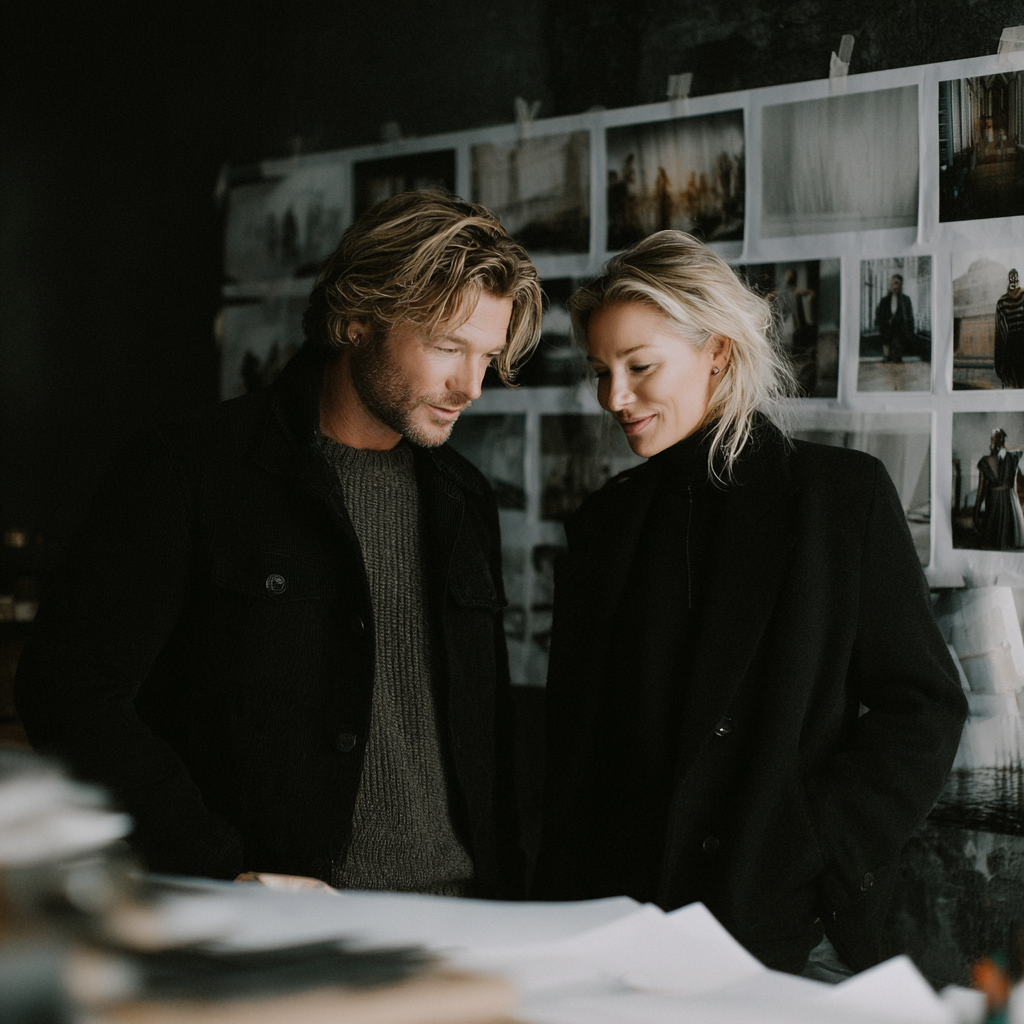
A synthographer workflow: idea, prompt, parameters, iteration and curation.
The process usually has five steps:
- Vision. First the image in your head, only then the words.
- Prompt. A short, concrete description, ideally in English.
- Parameters. Proportions, style, framing, references.
- Iteration. Further generations and tweaks.
- Curation and retouch. Choosing the best frame and optional editing.
Frequently asked questions about synthography
What is synthography in one sentence?
It is the creation of images through synthesis in an AI model, steered by a description and parameters, without using a camera.
Is a synthographer the same as a photographer?
No. A photographer records reality, while a synthographer directs the model and selects the results. The roles are related but distinct.
Will synthography replace photography?
It is more likely to complement it. Photography remains a record of real events, while synthography gives the freedom to create scenes that cannot be photographed.
Where should I start learning synthography?
With a single tool, for example Midjourney, short prompts in English and deliberate iteration. The craft grows with the number of attempts.
Do I need a camera for synthography?
No. The image is created in the model, so a camera is not needed, although you can use your own photos as references.
Do synthographic images have copyright?
This is contested and depends on the country and the tool terms. It is worth following current law and licence conditions.
Glossary
- Synthography, creating images through synthesis in an AI model.
- Synthographer, a person who creates synthographic images.
- Prompt, a text description that steers the generation.
- Diffusion model, a type of model that creates an image by gradually removing noise.
- Inpainting, painting in a fragment inside the image.
- Outpainting, extending the image beyond the original frame.
- Style reference, a reference image that imposes an aesthetic.
- Latent space, the internal representation of the model, the negative of synthography.
Want to learn synthography from scratch? Check the 1:1 consultations, read about copyright in AI, and for a broader, narrative guide see Synthography in 2026.